
Glucosamine Sulfate in JointBrex: Dose, Research and Safety
JointBrex has 1,000 mg of glucosamine sulfate in two capsules, made from crayfish shell. Most trials used 1,500 mg a day. In the 1,583-person GAIT trial, glucosamine did not beat placebo, and the 2019 ACR guideline strongly recommends against it for knee and hip osteoarthritis. Check first if you take warfarin, have diabetes or glaucoma, or a shellfish allergy.
What is glucosamine sulfate in JointBrex?
An amino sugar the body uses to build cartilage.
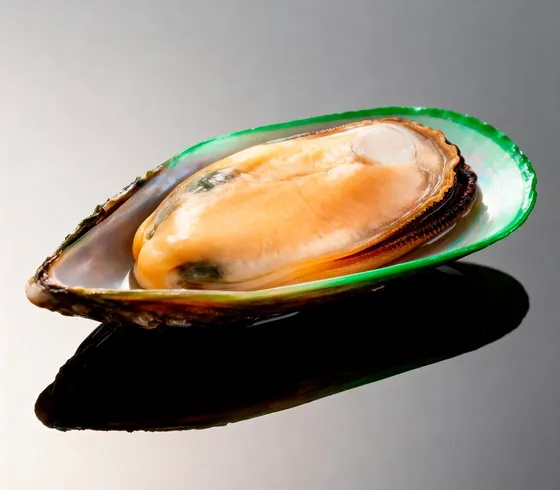
Glucosamine is an amino sugar. Your body makes it and uses it to build cartilage, the smooth padding at the ends of bones. Supplement glucosamine comes as a salt, either sulfate or hydrochloride.
In JointBrex, glucosamine sulfate is the main ingredient. Two capsules give 1,000 mg. That is about 71% of all the active weight in the formula.
The idea behind it is simple: give the body more raw material for cartilage. The research story is less simple, as the sections below show.
- Amount per serving
- 1,000 mg2 capsules
- Usual studied dose
- 1,500 mga day
- Source on label
- Crayfishcrustacean shellfish
Is the glucosamine in JointBrex made from shellfish?
Made from crayfish shell, per the label.
Yes. Supplement glucosamine is usually made from the hard shells of shellfish (LiverTox, Glucosamine, 2018). Some brands use grain fermentation instead. The JointBrex label says: "Contains: Crustacean shellfish (crayfish)."
U.S. rules require the type of crustacean to be named, and those rules cover supplements (FDA Food Allergies (crustacean shellfish), 2026).
Shellfish allergy is a reaction to proteins in the meat. Glucosamine should carry very little of that protein. Small studies suggest people with crustacean allergy do not react, yet some reactions have been reported. So the risk is likely very low, but not zero (Food Allergy Canada, Ask the allergist, 2023).
Does glucosamine work for joint pain? What GAIT found
Placebo helped 60% of people. Glucosamine added little.
In the biggest U.S. trial, glucosamine did not beat placebo. GAIT gave 1,583 adults with knee osteoarthritis glucosamine 1,500 mg a day, chondroitin 1,200 mg, both, the drug celecoxib, or a dummy pill for 24 weeks (Clegg et al., 2006 (GAIT, NEJM)).
The surprise was the placebo group: 60.1% of people improved on the dummy pill. Glucosamine added only 3.9 points, which was not a real difference. Celecoxib was the only option that clearly beat placebo.
Share of people who improved in GAIT (placebo rate plus each reported difference)
One small group with moderate-to-severe pain did better on the combination, 79.2% versus 54.3%. The authors called that result exploratory. It needs its own trial before anyone can rely on it. A 2-year follow-up found no difference from placebo in joint space.
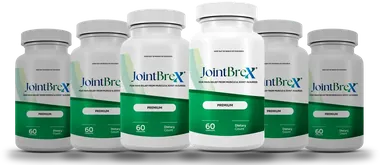
Ready to try JointBrex?
Best value$49 a bottle · $294 for 6
What do pooled glucosamine studies show?
0.4 cm on a 10 cm scale, versus 0.9 cm that people notice.
They show changes too small for most people to feel. Wandel and colleagues pooled 10 large trials with 3,803 patients (Wandel et al., BMJ 2010). Pain is often rated on a 10 cm line. Patients start to notice a change at about 0.9 cm.
Glucosamine lowered pain by 0.4 cm more than placebo. That is less than half the change people notice. Trials not paid for by industry showed even smaller effects. Changes in joint space were tiny.
Wandel 2010: pain on a 10 cm scale
| Treatment | Pain change vs placebo | Change patients notice |
|---|---|---|
| Glucosamine | 0.4 cm | 0.9 cm |
| Chondroitin | 0.3 cm | 0.9 cm |
| Both together | 0.5 cm | 0.9 cm |
Our post does glucosamine work? walks through these studies in more depth.
What do doctors' guidelines say about glucosamine?
ACR says no. NCCIH says uncertain.
The main U.S. guideline says not to use it. The 2019 American College of Rheumatology and Arthritis Foundation guideline strongly recommends against glucosamine for knee and hip osteoarthritis (ACR/Arthritis Foundation guideline, 2019). The 2026 ACR update keeps that advice and extends it to the hand (ACR OA guideline update summary, 2026).
NCCIH, part of the NIH, says it is still uncertain whether glucosamine helps knee symptoms (NCCIH, Glucosamine and Chondroitin, 2023). MSK calls the results mixed.
So why do people still take it? Some feel better, and the risk is low for most adults. That is a fair personal choice, as long as you know the odds. The same guideline strongly recommends exercise for everyone with osteoarthritis and weight loss for people with extra weight.
Guideline and agency positions
| Source | Position |
|---|---|
| ACR/Arthritis Foundation guideline, 2019 | Strongly against for knee and hip OA |
| ACR OA guideline update summary, 2026 | Strongly against for knee, hip and hand OA |
| NCCIH, Glucosamine and Chondroitin, 2023 | Still uncertain for knee symptoms |
| MSK About Herbs, Glucosamine, 2026 | Mixed results |
Is 1,000 mg of glucosamine in JointBrex enough?
1,000 mg is about two thirds of the studied dose.
It is less than most studies used. The usual dose is 1,500 mg a day, often 500 mg three times daily (LiverTox, Glucosamine, 2018). JointBrex gives 1,000 mg in two capsules, which is two thirds of that.
Wandel's review left out trial arms under 1,500 mg a day because the authors judged them too low. And even 1,500 mg did not clearly beat placebo in GAIT.
Please don't add extra capsules to close the gap. The label says not to exceed the recommended dose. If dose matters to you, talk to your doctor. For directions, see how to use JointBrex.
Can you take glucosamine with warfarin or other blood thinners?
Reports of INR rises led to a regulator warning.
Only after talking with your prescriber. Glucosamine can make warfarin act more strongly. Singapore's Health Sciences Authority summarized reports from several countries (HSA Singapore, Warfarin-glucosamine, 2009).
Warfarin and glucosamine reports
| Reporting body | What was reported |
|---|---|
| Australia (TGA) | 12 reports, 10 with INR rises; peak INR 4.1 to 12 in eight |
| United Kingdom (MHRA) | 7 reports of INR rises |
| WHO database | 22 cases, 21 with stronger warfarin effect, 4 needing longer hospital care or vitamin K |
INR is the blood test that tracks warfarin. A high INR means a higher bleeding risk. The advice is close INR checks when you start, stop or change glucosamine. Other JointBrex ingredients, like turmeric and bromelain, matter here too. See joint supplements and blood thinners.
Start your 60-day window today
Best value$49 a bottle · $294 for 6
Glucosamine side effects: blood sugar, eye pressure and liver
Mostly mild. Three checks worth a minute.
Most people have no side effects, and those that occur are usually mild, like an upset stomach. Three checks are worth knowing about.
Glucosamine safety checks
| Check | What sources say | What to do |
|---|---|---|
| Blood sugar | May raise blood sugar in some people (NCCIH, Glucosamine and Chondroitin, 2023) | Check levels more often if you have diabetes |
| Eye pressure | Glucosamine sulfate raised eye pressure in one trial (MSK About Herbs, Glucosamine, 2026) | Ask your eye doctor if you have glaucoma |
| Liver | Very rare, if it happens at all (LiverTox, Glucosamine, 2018) | Ask first if you have liver disease |
| Pregnancy | Little is known | The label says not for pregnancy or nursing |
For all JointBrex cautions in one place, see JointBrex side effects.
Is glucosamine in JointBrex a fit for you?
Five quick questions.
Answer these five questions. Nothing is saved or sent. If any answer needs a doctor's view, the result will say so.
Glucosamine is one of eight ingredients. See the JointBrex ingredients page or the chondroitin sulfate page next.
Glucosamine sulfate questions
Does glucosamine work for joint pain?
For most people, probably not much. In the large GAIT trial, glucosamine did not beat placebo (Clegg et al., 2006 (GAIT, NEJM)), and pooled trials found pain changes too small for patients to notice (Wandel et al., BMJ 2010). Some people still report feeling better.
How much glucosamine should you take a day?
Most studies used 1,500 mg a day, often as 500 mg three times daily (LiverTox, Glucosamine, 2018). JointBrex gives 1,000 mg in two capsules. Follow your label and don't exceed it without asking your doctor.
Can you take glucosamine with warfarin?
Only with your prescriber's OK and closer INR checks. Regulators have logged INR rises in people on warfarin who started glucosamine, some needing hospital care (HSA Singapore, Warfarin-glucosamine, 2009).
Does glucosamine raise blood sugar?
It may in some people. NCCIH says glucosamine may raise blood sugar (NCCIH, Glucosamine and Chondroitin, 2023). If you have diabetes, check your levels more often for the first few weeks.
Does glucosamine raise eye pressure?
It did in one trial of glucosamine sulfate (MSK About Herbs, Glucosamine, 2026). If you have glaucoma or high eye pressure, ask your eye doctor before you start and keep your regular checks.
Can I take glucosamine if I am allergic to shellfish?
Ask your allergist first. Glucosamine is usually made from shellfish shells. The risk of a reaction is likely very low but not zero (Food Allergy Canada, Ask the allergist, 2023). JointBrex's label lists crustacean shellfish (crayfish).
Is glucosamine safe for the liver?
Liver injury from glucosamine is very rare, if it happens at all (LiverTox, Glucosamine, 2018). MSK still advises people with liver disease to avoid it, so ask your doctor if that applies to you.
Is glucosamine safe to take every day?
Large studies found no major safety problems with daily use. Side effects such as stomach upset are uncommon and mild. The main checks are blood thinners, blood sugar, eye pressure and shellfish allergy.
What is the difference between glucosamine sulfate and glucosamine HCl?
They are two salt forms of the same amino sugar. JointBrex uses the sulfate form. NCCIH notes the 2-year U.S. study used glucosamine hydrochloride, and neither form has strong proof of benefit.
Why does the ACR recommend against glucosamine?
Because trials did not show a clear benefit over placebo. The 2019 ACR guideline strongly recommends against glucosamine for knee and hip osteoarthritis (ACR/Arthritis Foundation guideline, 2019), and the 2026 update keeps that advice.
Ready to try JointBrex?
Order from the U.S. authorized merchant, keep your order email, and you are covered by the 60-day money-back guarantee. Questions first? Call +1 (302) 200-3480.
- Secure checkout
- 60-day money-back window
- Ships from the US
- Tracking by email
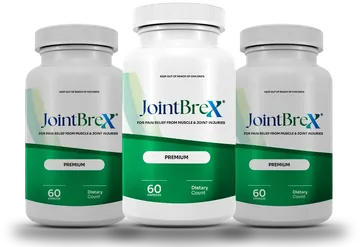
Keep reading
Ingredients
All eight label ingredients with amounts, the shellfish line and how each dose compares with research.
Read more →Chondroitin sulfate
100 mg against 800–1,200 mg in trials; Cochrane, GAIT and ACR findings; the warfarin caution.
Read more →Does glucosamine work?
What GAIT, Wandel, Cochrane and the ACR guideline found, in plain English.
Read more →