
Daily Moves for Stiff Joints: Simple Exercise Tips from the JointBrex Journal
The ACR guideline strongly recommends exercise for everyone with osteoarthritis, plus tai chi for knee and hip OA and weight loss for people with overweight. Losing 5% of body weight can matter. Start with short, flat walks and a 15-minute routine, build slowly, and see a physical therapist if you are unsure.
Why does movement help stiff joints?
Joints are built to move. When you sit still for long stretches, the muscles around a knee or hip get weaker and the joint feels tighter. Gentle, regular movement works the other way.
The NIH's arthritis institute says exercise can lower joint pain and stiffness and increase flexibility and strength (NIAMS Osteoarthritis). Its advice is to start slowly. That is good news if you feel stiff on the stairs, when you get out of the car or after a morning in the garden. You do not need a gym. You need a plan you can keep.
- 1
Muscles get stronger
Stronger thigh and hip muscles take load off the knee and hip.
- 2
Joints loosen up
Movement helps stiff joints feel easier, often within minutes.
- 3
Balance improves
Better balance means fewer stumbles on steps and curbs.
- 4
Daily tasks get easier
Stairs, shopping and gardening feel more manageable over weeks.
What does the ACR guideline say about exercise for joints?
It strongly recommends exercise for everyone with osteoarthritis. The 2019 American College of Rheumatology and Arthritis Foundation guideline gives its top grade to exercise and, for people with overweight, weight loss (ACR/Arthritis Foundation guideline, 2019). The 2026 update kept both strong recommendations (ACR OA guideline update summary, 2026).
The same guideline strongly recommends against glucosamine and chondroitin for knee and hip OA. That contrast is worth remembering. If you only have time for one change, movement beats any capsule. See does glucosamine work? for that side of the story.
What the ACR/Arthritis Foundation guideline says, in plain terms
| Approach | ACR 2019 view | What it looks like day to day |
|---|---|---|
| Exercise | Strongly recommended | Walking, strength work, water exercise |
| Tai chi | Strongly recommended for knee and hip OA | Slow, flowing moves, often in a class |
| Weight loss (if overweight) | Strongly recommended for knee and hip OA | Small, steady changes; 5% can matter |
| Glucosamine | Strongly recommended against | Not a substitute for the rows above |
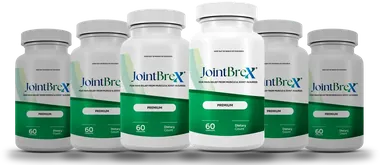
Ready to try JointBrex?
Best value$49 a bottle · $294 for 6
Is walking good for stiff knees and hips?
For most people, yes. Walking is free, needs no gear beyond good shoes, and is easy to build up. Start where you are. For some people that is 5 minutes around the block. For others it is 20 minutes in the park.
Flat paths are easier than hills. Supportive shoes help. A walking pole or stick can take some load off a sore knee. If one walk a day is too much, try two shorter ones.
- Day 1
Start small
Walk 5 to 10 minutes on flat ground. Note how your knees feel the next morning.
- Day 14
Add a little
If the next day feels fine, add 2 to 3 minutes per walk.
- Day 30
Build a habit
Aim for a walk most days. Add a gentle slope if it feels easy.
- Day 45
Mix it up
Swap one walk a week for tai chi, cycling or water exercise.
- Day 60
Review
Compare stairs and stiffness with day 1. Keep what works.
Does tai chi help joints? Tai chi and water exercise
Tai chi has strong support for knee and hip osteoarthritis in the ACR guideline (ACR/Arthritis Foundation guideline, 2019). It uses slow, flowing moves, a steady weight shift and gentle knee bends. It builds leg strength and balance with very little impact.
Many community centers, senior centers and Arthritis Foundation programs run beginner classes. Online videos work too. Start with 10 to 15 minutes and keep the knee bends shallow.
Water exercise is another good fit. Warm water supports your weight, so walking or gentle moves in a pool feel easier on sore knees and hips. Cycling on a stationary bike is a third low-impact choice.
Try walking, a stationary bike, pool walking and seated leg raises. Keep tai chi knee bends shallow.
Try walking, tai chi weight shifts, side leg raises holding a chair and gentle pool exercise.
Try short walks, gentle stretches and tai chi. Back pain has many causes, so ask a doctor or physical therapist if it lingers.
How much weight loss helps stiff knees and hips?
For people with overweight and knee or hip OA, losing 5% of body weight or more can matter, says the ACR guideline. NIAMS adds that weight loss can lower pain and improve movement, especially in knees and hips (NIAMS Osteoarthritis).
Five percent is smaller than many people expect. You do not need a dramatic diet. Small, steady changes add up: smaller portions, more vegetables, fewer sugary drinks and more daily steps.
Talk with your doctor before a big diet change, especially if you have diabetes or take daily medicine. A dietitian can help you plan meals you enjoy.
A simple daily routine for stiff joints
This 15-minute routine uses no equipment. It is general fitness guidance, not medical advice or a treatment plan. A physical therapist can adjust it for your joints, and that is the best place to start if you are unsure.
A 15-minute daily routine for stiff joints
| Move | How to do it | How many |
|---|---|---|
| Ankle circles | Seated, circle each foot slowly both ways | 10 each way |
| Seated knee lifts | Sit tall, straighten one knee, hold 3 seconds, lower | 8 to 10 each leg |
| Sit to stand | Stand up from a firm chair, then sit back slowly; use hands if needed | 5 to 10 |
| Heel raises | Hold a counter, rise onto your toes, lower slowly | 10 |
| Side leg raises | Hold a chair, lift one leg out to the side, lower | 8 each leg |
| Wall push-ups | Hands on a wall, bend elbows, push back | 8 to 10 |
| Easy walk | Indoors or out, at a pace where you can talk | 5 to 10 minutes |
Start your 60-day window today
Best value$49 a bottle · $294 for 6
When should you see a doctor or physical therapist about stiff joints?
See a doctor soon if a joint is hot, red or very swollen, if you have a fever with joint pain, or if a fall or twist caused the pain. Those signs can point to an injury or infection rather than everyday stiffness.
A physical therapist is a good next step when you are not sure which moves are safe, after a joint replacement, or when stiffness keeps getting worse. Our joint pain guide covers what stiff knees and hips usually mean.
- A joint that is hot, red or very swollenSee a doctor
- Fever with joint painSee a doctor
- Pain after a fall, or you cannot bear weightGet checked
- A joint that locks or gives wayGet checked
- Stiffness that keeps getting worse over weeksBook a visit
- Morning stiffness that eases after movingCommon
Where does JointBrex fit with exercise for stiff joints?
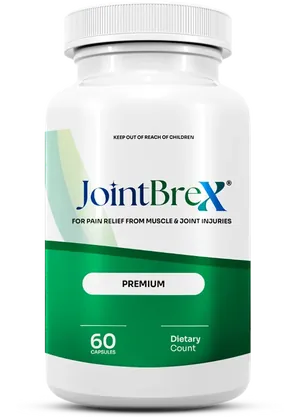
Movement comes first. JointBrex can only be an extra, and it is not a treatment for arthritis or injuries. Its largest ingredient, glucosamine, is the one the guideline recommends against. Its boswellia has mixed but more hopeful results.
If you still want to try it alongside a walking plan, take two capsules daily before a meal, as the how to use page explains. Check the side effects page first if you have a shellfish allergy, take a blood thinner or have diabetes. Use the 60-day money-back window to judge it.
Exercise for stiff joints questions
What is the best exercise for stiff joints?
The best one is the one you will keep doing. The ACR guideline strongly recommends exercise for everyone with osteoarthritis, and walking, strength work, water exercise and tai chi all count.
Is walking good for stiff knees?
Yes, for most people. Walking is low cost and easy to build on. Start with short, flat walks and add a few minutes each week if your knees feel fine the next day.
Does tai chi help joint stiffness?
The ACR/Arthritis Foundation guideline strongly recommends tai chi for knee and hip osteoarthritis. Its slow moves build balance and leg strength without hard impact.
How much weight loss helps knee pain?
The ACR guideline says losing 5% or more of body weight can matter for people with overweight and knee or hip OA. For someone at 200 pounds, that is 10 pounds.
Should I exercise if my joints hurt?
Mild aches during gentle exercise are common and usually fine. If pain is worse two hours after you finish than before you started, do less next time. Sharp pain means stop.
How do I loosen stiff joints in the morning?
Gentle movement helps most. Try slow ankle circles, knee bends and shoulder rolls before you get up, then a warm shower and a short walk.
Do I need a physical therapist for stiff joints?
It helps if you are unsure where to start, have had a fall or a joint replacement, or pain keeps getting worse. A physical therapist can tailor moves to your joints.
Can a joint supplement replace exercise?
No. Exercise and weight loss have the strongest evidence for osteoarthritis. The same guideline strongly recommends against glucosamine and chondroitin for knee and hip OA.
Ready to try JointBrex?
Order from the U.S. authorized merchant, keep your order email, and you are covered by the 60-day money-back guarantee. Questions first? Call +1 (302) 200-3480.
- Secure checkout
- 60-day money-back window
- Ships from the US
- Tracking by email
Keep reading
Joint pain guide
Osteoarthritis basics, red flags and what the ACR guideline recommends, in plain English.
Read more →Does glucosamine work?
What GAIT, Wandel, Cochrane and the ACR guideline found, in plain English.
Read more →How to use
Two capsules before a meal: timing, missed doses, storage and the medicine checks to make first.
Read more →