
JointBrex Side Effects: 7 Safety Checks Before Your First Capsule
JointBrex side effects reported for its ingredients are mostly mild: stomach upset, nausea or loose stools. The bigger checks are shellfish allergy, blood thinners, blood sugar, eye pressure, liver health and pregnancy. Stop and get help for hives, unusual bleeding or yellow skin, and ask your doctor first if any of these checks fits you.
Key facts
- Most reported effects for these ingredients are mild stomach problems: upset, nausea or diarrhea.
- The capsules contain crustacean shellfish (crayfish). The label says not for anyone under 18, or for pregnant or nursing mothers.
- Glucosamine, turmeric, bromelain and quercetin can matter with warfarin and other blood thinners. Boswellia may add to bleeding risk.
- Glucosamine may raise blood sugar in some people, and glucosamine sulfate raised eye pressure in one trial.
- Turmeric is a rare cause of liver injury, mostly with strong curcumin products. JointBrex has 100 mg of plain root.
- The label says to consult a physician before use if you take a medicine or have a medical condition.
- No supplement is FDA approved, and the FDA has not evaluated these statements.
Does JointBrex have side effects?
It can. The effects reported for its ingredients are mostly mild. Upset stomach, nausea and loose stools top the list. In the large GAIT trial, side effects with glucosamine were mild and looked much like those on placebo.
The brand's sales page says no significant side effects have been reported. We think you deserve a longer answer. A few risks are more serious for certain people, and a short check before the first capsule can spare you a bad week.
This post is built as seven yes-or-no checks. If every answer is “no”, you are in the large group of adults who have little to worry about. If any answer is “yes”, that does not mean never. It means talk to your doctor, pharmacist or allergist first.
Remember the basic rules from the label. Take two capsules daily before a meal. Do not exceed the recommended dose. Keep the bottle below 30°C (86°F), out of reach of children, and do not use it if the safety seal is damaged or missing.
Check 1: Do you have a shellfish allergy?
The label reads “Contains: Crustacean shellfish (crayfish).” Glucosamine is usually made from shellfish shells, and here the source is crayfish.
An allergy to shellfish is a reaction to proteins found in the meat. The shell that glucosamine comes from should hold very little of them. Small studies found no reactions in people with a crustacean allergy, yet some reactions have been reported. Food Allergy Canada calls the risk extremely low, but not zero.
Our post on glucosamine and shellfish allergy lists questions to ask your allergist.
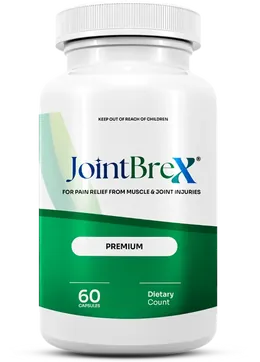
Ran the seven checks and all clear?
Then the next step is only to see the pack sizes and the money-back window. Your doctor still has the last word if any check was a “maybe”.
Jointbrexformula earns money on orders placed through this site.
Check 2: Do you take warfarin or another blood thinner?
This is the most important medicine check. Four ingredients have been linked to bleeding questions with warfarin and similar drugs, and a fifth may add to the risk.
Blood-thinner notes by ingredient
| Ingredient | What sources say |
|---|---|
| Glucosamine | Regulators logged INR rises in people on warfarin. Australia had 12 reports, 10 with INR rises. The WHO database held 22 cases. |
| Turmeric | New Zealand's regulator described an INR above 10 within weeks of a turmeric product, and advises avoiding it with blood thinners. |
| Bromelain | MSK says not to take it with warfarin or other blood thinners, based on lab data showing more bruising and bleeding. |
| Quercetin | One case report links it to a rise in INR that settled after it was stopped. |
| Boswellia | May increase bleeding risk with these drugs; how much is not yet known. |
INR is the clotting test used to keep watch on warfarin. A high reading points to a higher bleeding risk. If your doctor agrees you can try JointBrex, expect closer INR checks in the first weeks. Tell your prescriber before the first capsule, not after.
Our post on joint supplements and blood thinners gives a checklist for that visit.
Check 3: Do you have diabetes or glaucoma?
Both worries come from glucosamine, the largest ingredient at 1,000 mg.
- Blood sugar. NCCIH says glucosamine may raise blood sugar in some people. MSK adds that it could worsen insulin resistance. With diabetes, test more often in the first weeks and let your doctor know. Leave your diabetes medicine as it is unless the doctor says otherwise.
- Eye pressure. In one trial, glucosamine sulfate pushed eye pressure up. With glaucoma or high eye pressure, ask your eye doctor before you begin, and do not skip your usual checks.
Neither point is a ban. Both are reasons to make a short phone call before you start. A pharmacist can often answer the first one in a few minutes.
Check 4: Do you have liver, bile duct or gallbladder trouble?
Turmeric is a well-documented, though rare, cause of liver injury. LiverTox says it usually shows 1 to 4 months after someone starts a product. Most cases involved high-dose curcumin or forms boosted with black pepper extract.
JointBrex is a lower-risk setup than most of those reports. It has 100 mg of plain turmeric root and lists no piperine. Even so, MSK notes that liver injury has been reported with low-dose products too, and glucosamine is only a possible, very rare cause.
The European herbal monograph says turmeric is not recommended with bile duct blockage, inflamed bile ducts, liver disease or gallstones. If any of those fit you, ask your doctor first.
Check 5: Are you allergic to pineapple, or do you use asthma medicine or antibiotics?
Three smaller checks sit here.
Pineapple allergy
Bromelain comes from the pineapple stem, and allergic reactions to it have been reported. JointBrex holds 16.7 mg. If you react to pineapple, skip it or ask your allergist.
Tetracycline antibiotics
MSK advises against taking bromelain with tetracycline antibiotics. Tell your doctor or pharmacist if you are on one.
Asthma medicine
NCCIH says people who take asthma medicine should talk to a provider before using boswellia. Bring your inhaler names and the label to the visit.
Curcumin and quercetin can also change how the liver handles some drugs, according to a Norwegian review. The easy fix is one list. Write down every pill, vitamin and pain reliever you take, and show it to your pharmacist once.
Check 6: Are you pregnant, nursing or under 18?
Then JointBrex is not meant for you. The label rules out anyone under 18 and any mother who is pregnant or nursing.
The research agrees. Little is known about glucosamine and chondroitin in pregnancy or breastfeeding. NCCIH says turmeric supplements in pregnancy may be unsafe, and safety for turmeric in people under 18 has not been set.
- Under 18Not for use (label)
- PregnantNot for use (label)
- NursingNot for use (label)
Check 7: Do you know when to stop and get help?
Mild effects usually fade by themselves. A handful of signs call for an immediate stop.
Stop signs and what to do
| What you notice | What to do |
|---|---|
| Hives, swelling of the face or lips, trouble breathing | Get urgent help |
| Unusual bruising, nosebleeds, blood in urine or stool | Stop the capsules and call your doctor |
| Yellow skin or eyes, dark urine, ongoing belly pain | Stop the capsules and call your doctor |
| Stomach upset that lasts more than a few days | Stop and ask a pharmacist |
| High blood sugar readings or eye pain | Call your doctor |
| A swollen, red or hot joint, or pain that keeps getting worse | See a doctor; do not wait out a refund window |
JointBrex does not treat injuries or arthritis. Hurt a joint recently? Get a proper exam first.
Can you take JointBrex every day, and how do you report a problem?
The label directs two capsules a day, with no stated time limit. Large glucosamine studies found no major safety problems. For turmeric, NCCIH says conventional oral forms are likely safe for up to 2 or 3 months, and longer use has less data. If you plan to take it for months, tell your doctor.
Suspect JointBrex caused trouble? Speak to your doctor first. In the United States you may also report it to the FDA through MedWatch. Hold on to the bottle and write down the lot number from the base, your start date and what you noticed. Tell the order desk at +1 (302) 200-3480 as well, with your order ID.
Where can you keep reading?
Side effects
Every JointBrex caution in one place: stomach, shellfish, blood thinners, blood sugar, liver, stop signs.
Read more →Who it's for
A one-minute fit check, plus who must talk to a doctor before the first capsule.
Read more →Joint supplements and blood thinners
Glucosamine, turmeric, bromelain and quercetin with warfarin and newer blood thinners, plus a checklist.
Read more →Frequently asked questions
What are the side effects of JointBrex?
The ones reported for its ingredients are mostly mild: stomach upset, nausea or diarrhea. Bigger risks apply to people with a shellfish allergy, people on blood thinners, and people with diabetes, glaucoma or liver problems.
Is JointBrex safe?
For many healthy adults it appears to be, but safe depends on you. The label says to consult a physician before use if you take a medicine or have a medical condition, and it is not for pregnancy, nursing or under-18s.
Can I take JointBrex daily?
The label directs two capsules every day and states no time limit. Large glucosamine studies found no major safety problems, but the cautions in this post still apply. Tell your doctor if you plan to use it for months.
Can glucosamine cause diarrhea or constipation?
In some people, though it is uncommon and usually mild. Take the capsules before a meal with a full glass of water, as the label says. If the upset continues, stop and ask a pharmacist.
Can JointBrex cause an allergic reaction?
Rarely. Two ingredients are the usual suspects: the crayfish-derived glucosamine and the pineapple-derived bromelain. Hives, a swollen face or breathing trouble call for urgent help.
Do joint supplements like this one have side effects too?
Any joint supplement can. Stomach upset is the usual one, and blood-thinner, allergy and blood sugar notes depend on the ingredients. Read the label of any product and show it to your pharmacist.
Our view
The honest summary is short. For most healthy adults, the side effects of these ingredients are mild. For a few groups, the risks are real and worth a call before the first capsule.
We put the shellfish and blood-thinner notes up front on purpose. They are the two checks most likely to matter, and they are easy to miss in a sales page.
If every check passes, start low-key: two capsules before a meal, a glass of water, and a note of how you feel. If any check does not pass, speak to your doctor, pharmacist or allergist first. JointBrex is a dietary supplement, it is not FDA approved, and it does not treat any disease.
Last updated October 16, 2026.
Safety first, price second
If your doctor or pharmacist is happy with the label, the order page shows today's price and the guarantee. Nothing is charged until you pay at checkout.
Jointbrexformula earns money on orders placed through this site.
